 Offers
 Featured
 Brands
 Blog


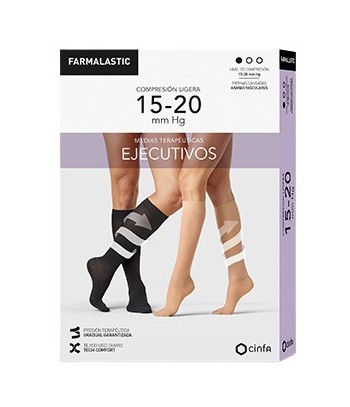
Therapeutic graduated compression sock (22–29 mmHg) with thermal cotton fabric. Promotes venous return, reduces the feeling of tired legs, and anatomically adapts. Anti-press cuff for greater comfort during daily use.
Medium size. Black color. Presentation: 1 pair.
 5% off in your first purchase! And subsequent purchases are also cheaper with FarmaClub.
 Free samples with orders over 59€!
 Need more units? Can't find what you're looking for? Contact us


The normal thermal compression sock offers a textile solution aimed at improving venous circulation and reducing the feeling of heaviness and fatigue in the lower extremities. With a graduated compression of 22–29 mmHg (medium compression class), it promotes venous return, which is useful in situations of chronic venous insufficiency, symptomatic varicose veins, mild edema, and in vascular or musculoskeletal rehabilitation programs.
The fabric combines polyamide and elastane to provide elasticity and durability, with a finish that offers thermal sensation due to its structure and composition, useful in cold seasons or in low-temperature environments. The anatomical design considers the shape of the leg and foot, providing localized support without compromising mobility; the anti-press cuff prevents displacement and focused compression at the edge, improving tolerance during prolonged periods.
Recommended user profiles: older adults with chronic circulation disorders, patients in vascular or orthopedic rehabilitation processes, people with sedentary lifestyles or jobs with prolonged standing times, and amateur or training athletes looking to optimize post-effort recovery by improving venous return. It is not a nutritional product; however, it can be integrated into recovery protocols complementary to sports nutrition strategies, including the use of sports supplements, protein shakes, or vitamin supplements to promote muscle recovery and systemic function.
Usage indications: preventive use in situations of risk of venous stasis (travel, partial immobilizations, standing jobs), symptomatic treatment of mild to moderate venous insufficiency, and support in postoperative or post-effort recovery phases as per clinical criteria. It is not a food product or a supplement; therefore, issues such as compatibility with diets (keto, vegan) are not applicable.
Compatibility with sports activity: suitable for use during recovery periods after exercise to improve the feeling of relief in the legs and promote venous return; it is not an agent that modifies parameters controlled by anti-doping. Its textile nature means it does not require anti-doping certification and does not affect controls in competitions, although its use in competition must comply with the specific rules of each federation.
Maintenance and shelf life: hand wash with neutral soap at <30 °C and dry without direct exposure to sunlight or heat sources. Do not iron. Replace when the garment loses elasticity or shows worn areas that compromise graduated compression.
In summary, the normal thermal compression sock combines pressure control of 22–29 mmHg, warm touch, and anatomical design to offer a garment for everyday use indicated in the symptomatic management of venous problems and as support in recovery and rehabilitation processes, complementing protocols that include nutrition and sports supplementation when appropriate.
The Farmaten Online Pharmacy sends its products free of charge to all of Spain, including Albacete, Ciudad Real, Cuenca, Guadalajara or Toledo.
What is the exact compression and what does it mean?
The compression is graduated between 22 and 29 mmHg, corresponding to a medium compression indicated to relieve symptoms of mild to moderate venous insufficiency and for preventive use in situations of risk of venous stasis.
Who is it recommended for?
It is recommended for older adults with venous problems, patients in vascular or orthopedic rehabilitation, people who spend long hours standing or sitting, and athletes looking to improve post-training recovery.
Can it be used at night?
Nighttime use should be evaluated by a healthcare professional; generally, the compression of 22–29 mmHg is preferably used during the day and in prolonged activities of standing or sitting.
Is it appropriate for diabetic patients?
Patients with advanced peripheral neuropathy or severe vascular alterations should consult their healthcare professional before using compression. In diabetes with neuropathy or advanced peripheral vascular disease, it may be contraindicated.
Can it be used in sports competitions?
The garment is not subject to anti-doping certification; it is a recovery and support garment. Use in competition depends on the rules of each federation and the discretion of the technical team.
How to choose the correct size?
The size is selected according to the manufacturer's size guide and the measurement of the ankle and calf circumference; in case of doubt between two sizes, the larger one is recommended to avoid excessive compression.
How to wash and care for the garment?
Hand wash with neutral soap at a temperature below 30 °C. Do not iron. Avoid drying in direct sunlight or heat sources that degrade elastane.
How long does the garment last?
The lifespan depends on use and care; it should be replaced when loss of elasticity or wear affecting compression is observed.
1. Turn the sock inside out, leaving the toe area unturned.
2. Insert the foot until passing the heel, ensuring that the heel area is in its anatomical position.
3. Gradually pull up the sock, distributing the fabric evenly over the calf; avoid stretching the cuff abruptly or concentrated.
4. Check for any folds or areas of focused compression.
5. Duration of use: usual daytime wear; daily duration should be adjusted according to medical prescription or tolerance.
6. If the garment causes intensified pain, numbness, color changes, or skin discomfort, consider removal and consult a healthcare professional.
Medium size. Black color. Presentation: 1 pair.
86% polyamide (polyamide), 14% elastane (elastane).

Therapeutic graduated compression sock (22–29 mmHg) with thermal cotton fabric. Promotes venous return, reduces the feeling of tired legs, and anatomically adapts. Anti-press cuff for greater comfort during daily use.
Medium size. Black color. Presentation: 1 pair.