 Offers
 Featured
 Brands
 Blog
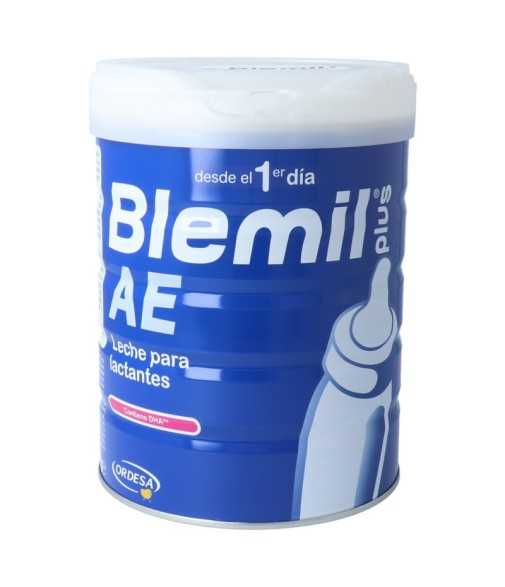


Special infant milk indicated for infants with constipation, formulated to improve intestinal transit and promote more comfortable digestion.
 5% off in your first purchase! And subsequent purchases are also cheaper with FarmaClub.
 Free samples with orders over 59€!
 Need more units? Can't find what you're looking for? Contact us


Blemil Plus AE features a formula designed to support infants through their nutritional transition. It is a follow-on milk powder formulated to provide a balanced profile of macro and micronutrients essential for growth, complementing breastfeeding or serving as a substitute when recommended by a healthcare professional.
The formula integrates nucleotides that contribute to the development of the immune system, prebiotics that promote the balance of the intestinal flora, and essential fatty acids, including DHA, relevant in brain and visual development.
Automatic translation. It may contain errors.
We offer pharmaceutical advice and free shipping of online Pharmacy and parapharmacy products throughout the country, including Galicia, with the provinces of La Coruña, Lugo, Ourense, Orense and Pontevedra or Asturias and Cantabria.
- Immune system support: inclusion of nucleotides that contribute to the immune development of the infant.
- Improved intestinal environment: prebiotics that promote beneficial bacterial colonization and digestion.
- Brain and visual development: supply of DHA and other essential fatty acids.
- Complete nutritional profile: balance of proteins, fats, carbohydrates, vitamins and minerals for growth and development.
- Compatibility with breastfeeding guidelines: formulated for use as a complement or substitute according to pediatric prescription.
- Suitable for introducing complementary feeding in the follow-up stage, integrating with products from the infant milk and baby food market.
From what age is its use recommended?
It is generally recommended as follow-on milk from 6 months onwards. The final decision on when to start should be made by the pediatrician based on the child's needs.
Can it be used in conjunction with breastfeeding?
Yes. It is formulated to be used as a complement to breastfeeding or as a substitute when so determined by a health professional.
Is it suitable for babies with cow's milk protein allergy?
Tolerance should not be assumed in cases of cow's milk protein allergy. If an allergy is suspected or diagnosed, consult your pediatrician to discuss specific hypoallergenic formulas.
How does this relate to the use of breast pumps and bottles?
The product can be integrated into extraction and feeding protocols that use suitable breast pumps and bottles, always respecting the hygiene and storage rules of the breast pump and container manufacturer.
Does it contain DHA and prebiotics?
The formula incorporates DHA and prebiotics as part of its composition to support neurological development and intestinal flora, respectively.
Is it appropriate for newborns (0–3 months)?
It is not the first choice for full-term newborns; its use is focused on the continuation stage from 6 months onwards, unless otherwise indicated by a pediatrician.
What should be done in case of illness or special needs?
In cases of pathologies, prematurity, low weight or specific metabolic conditions, the selection of formula should be made under pediatric supervision.
The preparation should be carried out following the manufacturer's instructions on the label. Generally, the powdered formula is dissolved in previously boiled drinking water that has been cooled to the temperature indicated by the manufacturer. Utensils and bottles must be clean and sterilized according to the manufacturer's recommendations.
The dosage and frequency of feeding will be adjusted according to the infant's age, weight, and needs, as well as the pediatrician's instructions. Unused prepared feeds should be discarded after the maximum storage time specified by the manufacturer.
Variations in the concentration of the preparation may alter the energy and nutrient content, so the dilution should not be modified from that recommended on the label.
- Maintain strict hygiene during preparation: washing and sterilizing bottles and utensils to minimize the risk of contamination.
- Do not keep the prepared dose at room temperature longer than recommended by the manufacturer; discard any leftovers.
- Follow the manufacturer's dilution instructions; incorrect dilution can lead to water or nutritional imbalance.
- If you suspect a food allergy, intolerance, or adverse reaction, consult your pediatrician before proceeding.
- Do not replace breast milk without professional advice; breastfeeding provides unique immunological and nutritional factors.
- Avoid heating the bottle in a microwave due to the risk of hot spots that can burn the oral mucosa; prefer a water bath or milk dispensers with temperature control.
- Individual needs (prematurity, metabolic diseases, malabsorption) require specific formula selection under health supervision.
- Check the expiry date and the condition of the packaging seal before use.
800g container.
Formulated with essential proteins, lipids, carbohydrates, vitamins, and minerals. Includes nucleotides, prebiotics, and essential fatty acids such as DHA. (For detailed information on quantities and composition per 100g per serving, please refer to the manufacturer's nutrition facts panel on the packaging or official product information sheet.)
Preparation of milk porridge with cereals (recommended from the introduction of complementary feeding):
- Prepare the required amount of powdered formula following the manufacturer's instructions and let it cool to the appropriate temperature.
- Mix the prepared formula with unsweetened infant cereal until you obtain the right texture for the baby.
- Serve immediately and discard any uneaten portion within the indicated storage period.
Note: This recipe is suggested as a complementary feeding option from 6 months of age and does not replace pediatric advice on introducing foods.
Suggested diet incorporating Blemil Plus AE (guideline for 6–12 months):
- Breakfast: intake of prepared formula; crushed or chopped fruit according to chewing ability.
- Mid-morning: formula or breastfeeding according to family pattern and number of feedings.
- Main meal: vegetable puree with soft proteins (chicken, turkey, white fish) and, depending on tolerance, a feeding of formula as a complement.
- Snack: cereal porridge prepared with the formula, or fruit.
- Dinner: puree or light porridge supplemented with a feeding of formula.
- Nights: nighttime formula feedings as prescribed by the pediatrician and the infant's sleep and feeding schedule.
The distribution of feedings and amounts should be adjusted according to pediatric recommendations, the child's growth pattern, and the gradual introduction of textures and flavors into the infant's diet. Supplements for pregnant women or postpartum guidelines are not a substitute for this product; breast milk remains the primary source of nutrition whenever possible.
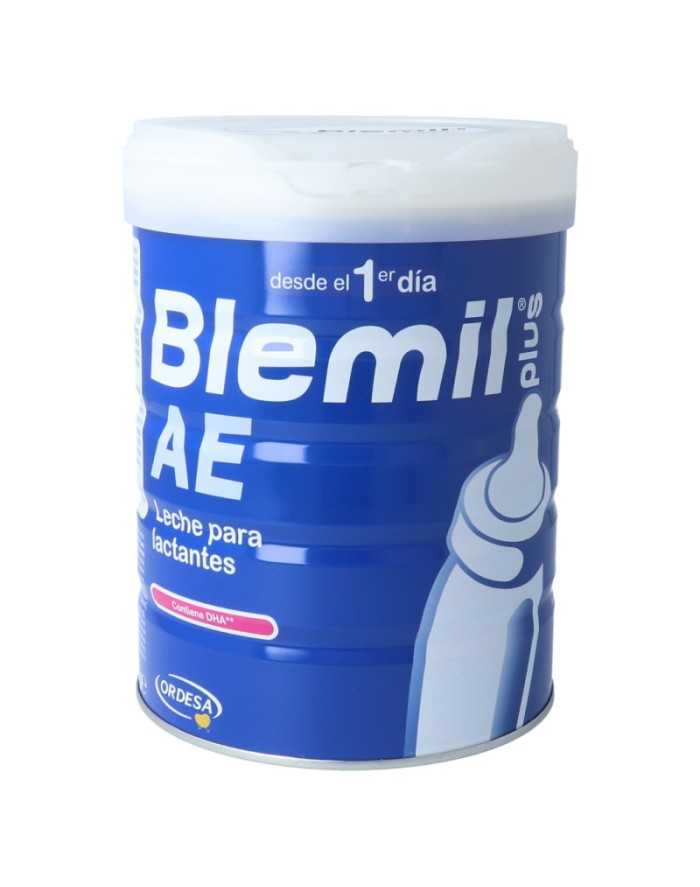
Special infant milk indicated for infants with constipation, formulated to improve intestinal transit and promote more comfortable digestion.